Are Home Prices Dropping in Toronto?
The Short Answer
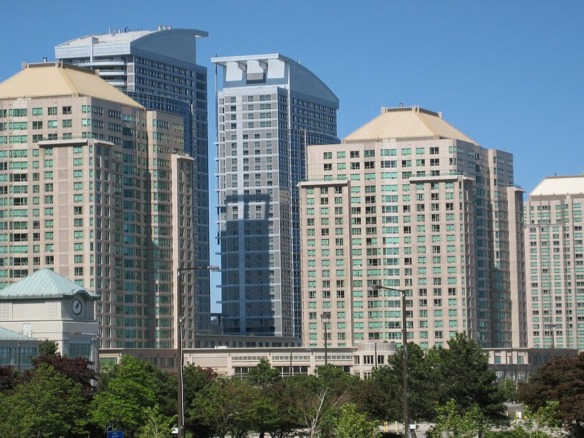
Are home prices dropping in Toronto? The short answer is yes. Prices in the Greater Toronto Area are trending lower than a year ago, and they have been easing month to month as well. The latest market snapshot shows the home price index down on both a monthly and annual basis, with sales soft and supply still healthy. That combination points to a market that favours careful buyers who negotiate and verify value.
What the Latest Numbers Say
January data points to fresh slippage after a slow finish to 2025. According to the latest release, seasonally adjusted sales fell and the home price index declined again, marking multiple months in a row of price decreases. On a year over year basis, the benchmark was lower by roughly the high single digits, while the average sale price sat under the one million mark for the region. These figures line up with independent market trackers that reported a January benchmark in the mid nine hundreds and an average sale price just under one million for the GTA.
Are Home Prices Dropping in Toronto in 2026: How 2025 Set the Stage
For many home buyers and sellers, the key is question is “are home prices dropping in Toronto in 2026?” Last year ended with prices below 2024 levels. The Toronto Real Estate board’s year end report shows the average selling price for 2025 down about five percent from the year before, with sales muted and inventory higher than buyers were used to earlier in the cycle. In simple terms, heated demand ended. The shift created more choice and kept negotiations buyer friendly as the calendar turned to 2026.
Interest Rates and Affordability
Financing costs are still the heartbeat of demand. The policy rate is holding at 2.25 percent after a series of cuts through 2025, and that has helped monthly mortgage payments compared with the peak of the rate cycle. A steady policy rate supports gradual improvement in affordability, although lenders continue to apply rigorous stress tests. If you are pre approved, you are shopping in a market where borrowing costs have eased from their highs, which cushions the impact of price stickiness in certain neighbourhoods.
The Rental Backdrop and What it Signals
Rents cooled through 2025 as new supply arrived and demand growth slowed, and vacancy rates moved up from very tight levels. The federal housing agency reported that the national vacancy rate rose to just over three percent in 2025, with Toronto among the large markets seeing more available units than the year before. That shift took some pressure off investors and helped narrow the gap between owning and renting in pockets where prices reset the most. When rents level off and vacancies rise, sellers of similar condos often meet the market on price to attract end users as well as investors.
Are All Home Types Dropping at the Same Pace
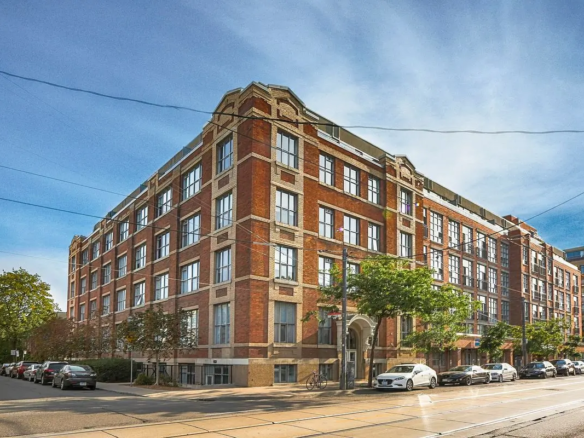
No. Detached and semi detached properties tend to move differently than high rise condos, and the spread changes month to month. The January read showed broad price softness, but mid and high rise units have faced the most supply and the most time on market in many downtown and inner suburban districts. The data series that tracks the benchmark across the region still points to a year over year decline, and the story is similar across several home types even if the magnitude differs. The practical takeaway is to compare by property type and micro location rather than relying on a single citywide average.
What the Boards and Associations Expect Next
Are home prices dropping in Toronto in 2026? The regional real estate board’s 2026 outlook calls for sales and prices to be broadly stable across the year, with the average price hovering around the one million mark given current inventory and rate settings. Stability does not mean no movement. It means the base case is for modest seasonal swings as buyers wait for firmer economic footing. Nationally, the association that compiles the MLS home price index reported small monthly dips late last year and a four percent year over year decline, which frames Toronto’s experience within a wider Canadian slowdown.
What this Means if you Plan to Buy or Sell
If you are buying, the numbers support a patient approach. You can take time to review status certificates in condos, order pre offer inspections for houses, and negotiate on both price and conditions without facing the frenzy of past years. If you are selling, pricing cleanly against the most recent comparable sales and offering strong listing materials will matter. Longer days on market punish wishful asking prices, especially in buildings or blocks with several active listings which addresses the question directly, are home prices dropping in Toronto.
Neighbourhoods and Buildings Still Drive Outcomes
Are home prices dropping in Toronto in 2026? Even when citywide prices are easing, the spread between a well managed building near frequent transit and a tired asset with looming repairs remains wide. A townhouse with family friendly layouts on a quiet street in a school district may hold up better than an oversupplied micro condo a few blocks away. Treat each property as its own market and rely on the freshest comparable sales within the same property type and area. That is how you separate a true deal from a price that only looks cheap next to last year’s highs.
Bottom Line
Are Home Prices Dropping in Toronto in 2026? Home prices in Toronto are lower than a year ago and have been slipping month to month into early 2026. Softer sales, steady borrowing costs, and higher available inventory are working together to keep a lid on price growth for now. Buyers with stable finances have a window to be selective. Sellers can still achieve solid outcomes when they price and present for today’s market rather than last spring’s headlines. Watch rate decisions, new listing trends, and the home price index over the next few months for clues on when the market finds its footing.
Looking for a trusted and experienced Toronto realtor, contact Sean Mayers Real Estate to buy or sell your next home.