Swansea Toronto
Toronto is a city of over three million people. Some of those people moved here specifically for the energy, the density, the constant proximity to other humans and all the richness that produces. This is a legitimate and well-served lifestyle preference and the city has entire neighbourhoods optimised for it.
Some of those millions of people would genuinely prefer to live here without encountering most of the others on a daily basis. This is also a legitimate lifestyle preference and it is considerably less well served by the Toronto real estate conversation, which tends to treat walkability and community engagement as universal goods rather than considerations that some buyers actively want and others actively don’t.
Swansea Toronto is the neighbourhood that serves the second group. It does so not through gates, hedges, or the kind of explicit exclusivity that requires significant wealth to access, but through geography, street design, and a set of natural boundaries that have been quietly doing the work of keeping the neighbourhood private since long before its current residents arrived.
The Geography Did The Work So You Don’t Have To
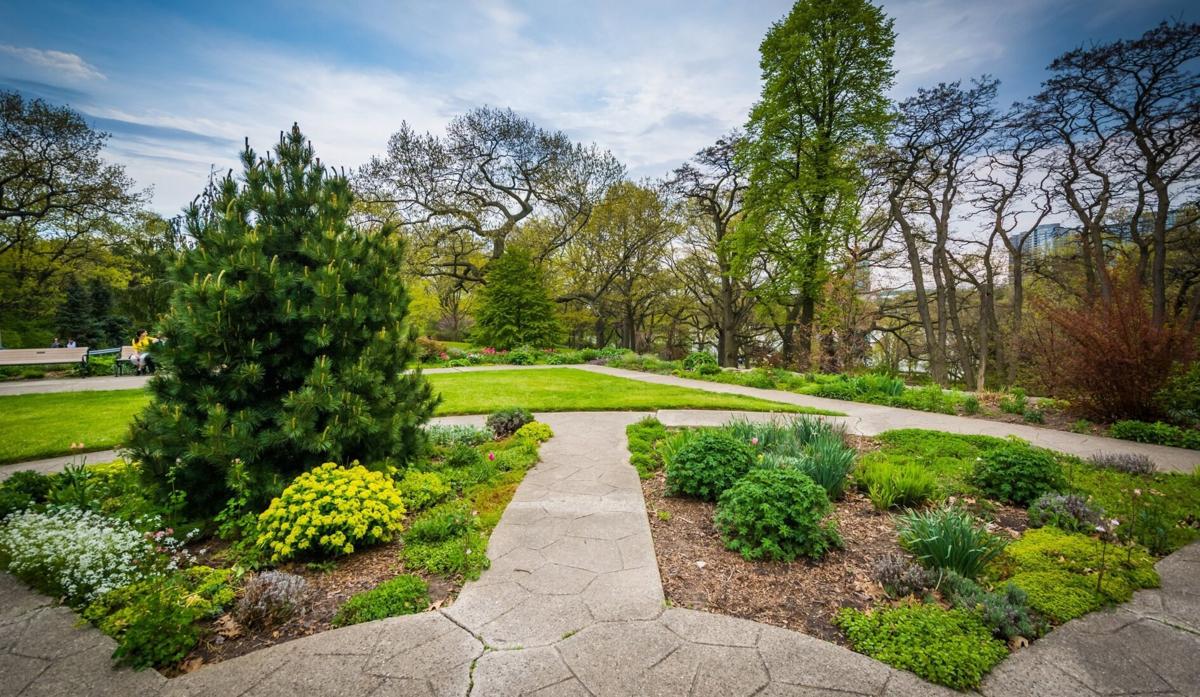
The structural privacy of Swansea Toronto is built into the landscape rather than imposed onto it, which is what makes it both more effective and more durable than the alternatives.
The Humber River forms the western boundary of the neighbourhood, which is a genuine physical barrier rather than a zoning line or a property boundary that development could theoretically cross. The ravine system seals the southern edge with the same permanence. High Park creates a natural eastern wall that has been protected parkland for long enough that its permanence is not in question. The Queensway defines the other boundary along a commercial arterial that functions as a clear edge between Swansea’s residential interior and the city beyond it.
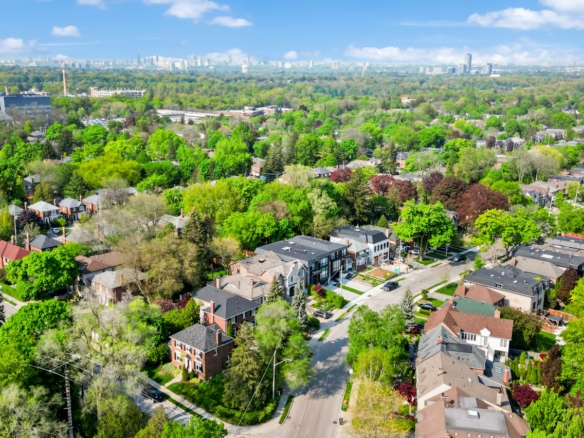
The result is a neighbourhood with a limited and specific number of entry points, internal streets that wind in ways that reward residents and confuse everyone else, and no through routes worth taking for anyone trying to get somewhere other than Swansea itself. The people on these streets at any given time are overwhelmingly the people who live on them. They’re not commuters, there’s not a lot of through traffic, and not a lot of the transient foot traffic that most Toronto neighbourhoods absorb as a function of their connectivity.
This is geography doing the work that most neighbourhoods spend significant money on gates, private roads, and security infrastructure to approximate. Swansea has it organically and has had it since before the neighbourhood was developed. The residents who chose it understood what they were getting. The city’s geography had already solved the neighbour problem on their behalf.
Swansea Toronto – The Neighbourhood Character Reinforces What The Geography Starts
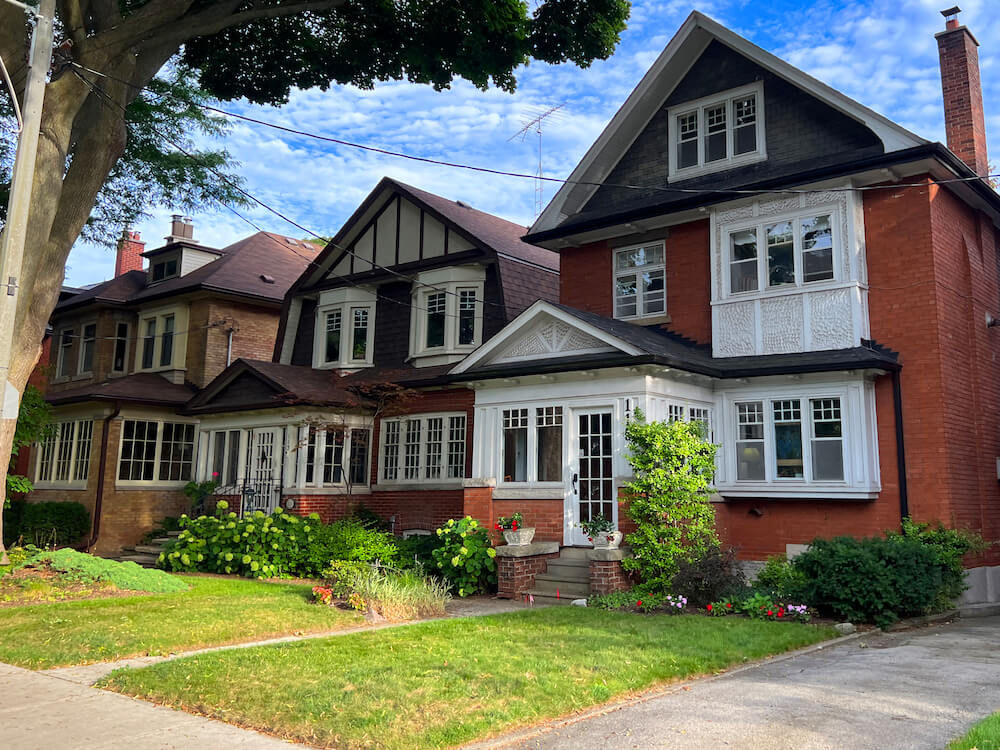
Swansea’s physical character extends the privacy case that its natural boundaries establish. Low-rise residential throughout and no towers pumping hundreds of residents onto shared corridors, lobbies, and elevators where eye contact becomes structurally unavoidable regardless of personal preference. Houses with enough physical separation between them that running into a neighbour requires genuine coincidence rather than simply leaving your front door.
This is not a neighbourhood of antisocial people. Swansea has a genuine and engaged community. The Swansea Town Hall community centre, neighbourhood events, the kind of local engagement that produces real community character rather than the managed version that marketing materials describe. The distinction is that community engagement in Swansea is a choice rather than an inevitability. You can participate fully or you can be left entirely alone and both outcomes are equally supported by the neighbourhood’s structure.
Swansea Toronto residents are genuinely pleasant when you do encounter them. Which, depending on your preference, is either a nice bonus or the whole point. The neighbourhood accommodates both interpretations with equal grace.
The Location Provides City Access Without City Density
This is the distinction that makes Swansea the correct answer for the avoiding-your-neighbours lifestyle preference rather than the Bridle Path or similar premium enclaves that achieve privacy through sheer exclusivity and price.
Swansea provides privacy without isolation. It’s a combination that is considerably more difficult to find than either privacy alone or connectivity alone and considerably more valuable for buyers who want both.
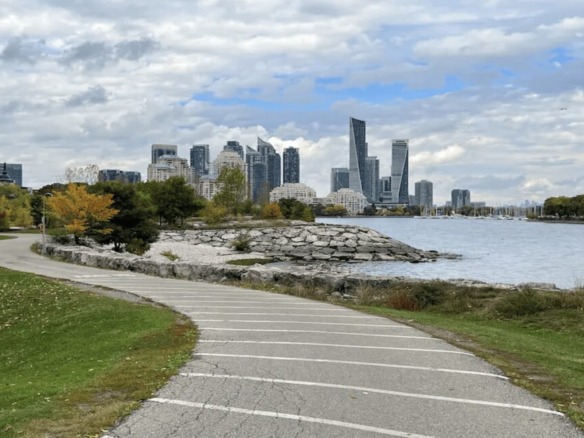
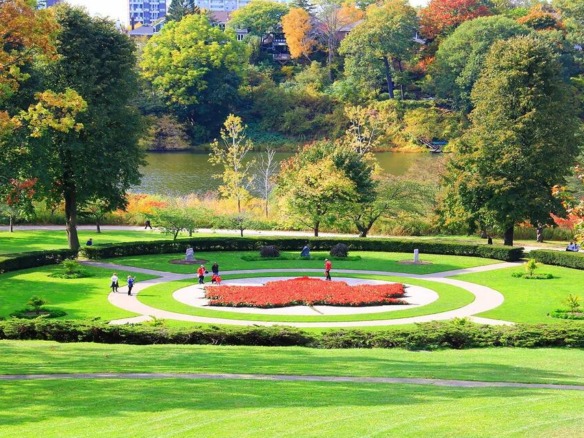
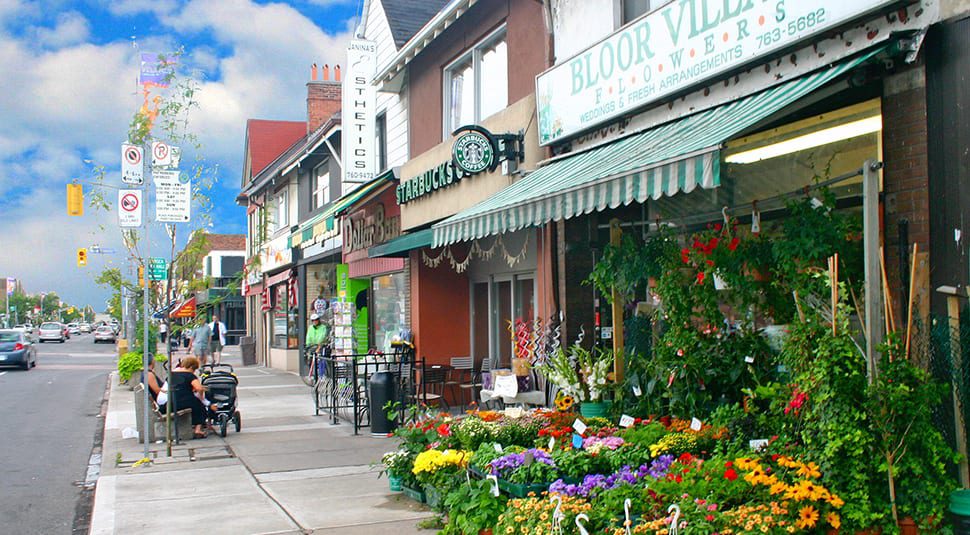
Bloor West Village is minutes away when a main street is wanted. Roncesvalles is close when a neighbourhood energy is desired. The Bloor-Danforth subway line is accessible for genuine rapid transit connectivity to downtown and across the city. High Park has four hundred acres of trails, green space, and seasonal beauty, which is essentially your backyard.
The entire city remains available from Swansea. Everything Toronto offers is genuinely accessible. The difference is that accessing it is a deliberate choice rather than an unavoidable condition of daily life. You go to the city when you want to. You return to a residential pocket where nobody else is coming unless they were specifically invited or are very lost.
That combination, full city access with genuine residential privacy, and at a price point that does not require a trust fund or a private road. That is the Swansea proposition and it is unique enough within the Toronto market that buyers who understand it consistently wonder why they didn’t find it sooner.
The Real Estate Case Is Built On The Same Foundations As The Privacy Case
The investment case for Swansea real estate and the lifestyle case for Swansea living are built on exactly the same foundations. It’s got natural boundaries that permanently protect the neighbourhood’s character, limited development pressure from within because the geography constrains it, and sustained demand from buyers who choose this neighbourhood specifically for what it is rather than what it might become.
Stable neighbourhoods hold value in the Toronto real estate market with a reliability that reflects the underlying logic of sustained demand from committed long-term owners. Swansea has been stable long enough and in a way consistent enough that its stability is structural rather than circumstantial. The natural boundaries that produce the privacy also protect against the development pressure and neighbourhood character erosion that has transformed other Toronto neighbourhoods over the past two decades.
The housing stock ranges from well-maintained character houses to fully renovated properties. Both of these types represent legitimate value propositions for buyers at different stages and with different priorities. Waterfront adjacency along the Humber River and Lake Ontario shoreline adds genuine long term value to the specific streets closest to the water. Not every Swansea street performs identically over a ten or fifteen year hold and knowing which ones consistently outperform is the product of watching this specific neighbourhood up close rather than reading a listing description.
The Verdict
Swansea is for people who love Toronto and would prefer to experience it largely on their own terms. Not in spite of the city, alongside it, with full access to everything it offers, but from a residential pocket that provides genuine privacy rather than the approximate version that most Toronto neighbourhoods can manage.
The geography is real. The privacy is real. The community is real. And the real estate, in a neighbourhood whose natural boundaries permanently protect what makes it desirable, is one of the most structurally sound long term decisions available in the west end Toronto market.
The people who know what they’re looking for in Swansea find it and never leave. The ones who didn’t know they were looking for it discover it and feel the same way.
This is The Hood Report — Toronto’s most honest neighbourhood guide. New blog posts every week.